
Time is one of the most expensive things in a workshop. Every extra hour spent chasing a fault, rechecking a repair or waiting for information can affect job flow, technician productivity and customer satisfaction.
That is why diagnostic tools have become essential workshop equipment. A good vehicle diagnostic scanner does not just read fault codes. It helps technicians understand what the vehicle is doing, find the right system faster, test components properly and confirm that the repair has worked.
For modern workshops, saving time is not about rushing the job. It is about getting to the right answer sooner.
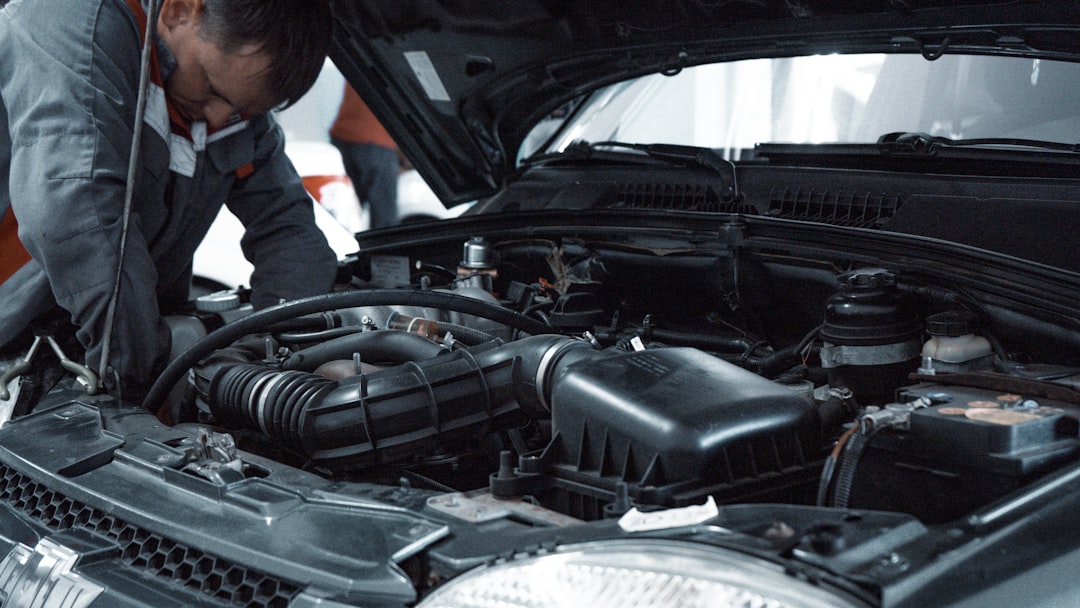
Faster Fault Finding From the Start
Without a scan tool, many diagnostic jobs begin with symptoms, assumptions and manual checks. That can work on older vehicles, but modern cars are controlled by multiple electronic systems. A warning light may involve the engine, transmission, ABS, SRS, body control module, battery management system or communication network.
A professional diagnostic tool helps narrow the job down quickly. Instead of guessing where to start, technicians can run a full-system scan, read diagnostic trouble codes, view system status and identify which modules are reporting faults.
This is especially useful when a customer gives a vague complaint such as “the car feels strange”, “the warning light came on”, or “it only happens sometimes”. A full-system scan gives the workshop a much better starting point than a test drive alone.
For background, official OBD information from the U.S. Environmental Protection Agency explains how on-board diagnostics help identify vehicle system faults and emissions-related issues. In workshop terms, that means the vehicle is already storing useful information. The right scan tool helps technicians access it.
Auto VIN Saves Setup Time
One of the simplest ways diagnostic tools save time is through Auto VIN identification. Instead of manually entering make, model, year and system details, compatible scan tools can identify the vehicle automatically and guide the technician into the correct diagnostic software.
This might only save a few minutes per job, but across a busy week, it adds up. It also reduces the risk of selecting the wrong model or system, which can waste time or lead to confusing results.
Tools such as the CRP 919 MAX support intelligent diagnosis with automatic VIN identification, helping technicians access systems quickly and check historical diagnostic records. For entry-level technicians or smaller workshops, this makes everyday diagnostic work smoother and easier to manage.

Full-System Scans Reduce Guesswork
A basic OBD2 code reader may only show engine-related codes. That is useful for simple check engine light jobs, but it does not give the full picture.
Professional scan tools can perform full-system diagnostics across modules such as engine, transmission, ABS, SRS, body control, steering, parking brake and more. This helps technicians see whether a fault is isolated or connected to a wider communication issue.
For example, a vehicle may show an ABS warning light, but the root cause could involve a wheel speed sensor, steering angle sensor, battery voltage issue or communication fault. A full-system scan helps the technician see the bigger picture before replacing parts.
This is where a workshop-level diagnostic scan tool becomes a time saver. It helps reduce unnecessary part swapping and gives technicians a clearer repair direction.
Live Data Helps Technicians Confirm the Problem
Fault codes are only part of the story. A code tells you what the vehicle detected, but live data helps you understand what is happening in real time.
Live data can show sensor readings, voltage values, temperature data, fuel trims, pressure readings, actuator positions and system status. This is especially useful when diagnosing intermittent faults or checking whether a repair has actually fixed the issue.
Instead of removing parts based on a code alone, technicians can compare live data against expected behaviour. That saves time and reduces the risk of replacing a good component.
A scan tool with live data graphing can also make patterns easier to see. For example, a sensor signal that drops out under load may be much easier to identify on a graph than as a changing number on screen.
Bi-Directional Control Speeds Up Testing
Bi-directional control is one of the biggest time-saving features for professional diagnostics.
Instead of waiting for the vehicle to activate a component naturally, the technician can command certain components or systems through the scan tool. This may include activating a fan, pump, relay, valve, injector, solenoid, electronic parking brake or other supported component.
This saves time because the technician can test the component, wiring and control circuit more directly. It also helps confirm whether the issue is the part itself, the module command, the wiring or another related system.
The X-431 PRO3 LINK supports full diagnostic functions including reading and clearing DTCs, live data streaming, bi-directional control and coding. It also supports Smartlink remote diagnosis, which is useful for workshops that need extra diagnostic flexibility or support on more complex jobs.
Service Functions Make Routine Jobs Faster
Workshops do not only use diagnostic tools for fault finding. Service functions can also save a lot of time on everyday jobs.
Common functions may include oil reset, electronic parking brake service, steering angle calibration, battery reset, injector coding, throttle adaptation, DPF regeneration, ABS bleeding and TPMS-related functions, depending on the vehicle and tool coverage.
Without the right diagnostic tool, some of these jobs can become awkward or impossible to complete properly. With the right scan tool, the technician can follow guided procedures and finish the service task more efficiently.
For workshops handling regular servicing, this is where diagnostic tools directly improve productivity. The tool is not only used when something goes wrong. It becomes part of the normal service workflow.
Coding and Programming Help Complete Modern Repairs
Modern vehicles often need software configuration after a part is replaced. A new battery may need registration. A replacement injector may need coding. A module may need matching or adaptation. Some vehicles may require more advanced coding or programming procedures.
This is why diagnostic tools save time after the mechanical repair is done. Instead of fitting the part and then discovering that the system still does not operate correctly, technicians can complete the required coding or adaptation as part of the repair process.
For more advanced workshop needs, tools such as the X-431 PAD9 LINK support full-system coverage, topology mapping, CAN/CAN FD/DoIP, J2534, remote diagnosis, bi-directional control, advanced coding and programming functions. It is better suited to workshops that need stronger hardware, wider coverage and more long-term diagnostic capability.
For programming-related standards, SAE J2534 is a useful reference because it relates to pass-thru vehicle programming. In practice, workshops still need the correct tool, software access, stable power and proper procedure for each vehicle.
Diagnostic Reports Improve Customer Communication
A scan tool can also save time outside the repair itself.
Diagnostic reports help workshops explain the job to customers, record pre-scan and post-scan results, and show what systems were checked. This can reduce back-and-forth conversations and make approvals easier.
For example, a customer may not understand why an ABS light requires more testing. A diagnostic report gives the service advisor something clear to discuss. It also gives the workshop a better record if the vehicle returns later with a different issue.
This is especially helpful for fleet customers, used car inspections, pre-repair checks and complex electrical jobs where documentation matters.
Remote Diagnosis Helps With Complex Jobs
Some diagnostic issues are too complex to solve quickly in-house. In those cases, remote diagnosis can save workshops from losing hours on a fault that requires extra support.
The X-431 LINK models support Smartlink remote diagnosis, which allows workshops to access remote diagnostic assistance or work with more advanced diagnostic resources. This can be useful for difficult faults, multi-location businesses or workshops that want additional support without sending the vehicle elsewhere immediately.
Remote diagnosis does not replace technician skill. It gives workshops another option when the job needs more than local testing.
Which Diagnostic Tool Saves the Most Time?
The best diagnostic tool depends on the workshop’s workload.
For smaller workshops or technicians moving beyond basic code reading, the CRP 919 MAX is a practical starting point. It offers full-system diagnostics, live data, bi-directional control, coding and matching in a compact format.
For professional workshops that need remote diagnosis, broader coverage and stronger daily diagnostic capability, the X-431 PRO3 LINK is a better fit.
For high-end workshops, diagnostic specialists or businesses that need the widest capability, the X-431 PAD9 LINK offers stronger hardware, topology mapping, advanced coding, programming functions, J2534 and support for more demanding diagnostic workflows.
You can compare the full range on the LAUNCH scan tools comparison page before choosing.
Final Thoughts
Diagnostic tools help workshops save time by giving technicians a clearer starting point, reducing guesswork, speeding up system checks and helping confirm repairs properly.
A good scan tool does not replace experience. It makes experience more effective.
For modern workshops, the right diagnostic tool can improve first-time fix rates, reduce unnecessary parts replacement, support service functions, speed up customer communication and make complex jobs easier to manage.
In a busy workshop, that time saving is not small. It can be the difference between a job that drags on all afternoon and a repair that moves cleanly through the bay.

